Blockchain Networks for Beginners
Not all blockchain networks are the same. Learn how your network choice affects the speed, cost, and success of stablecoin transfers.
Stablecoins are straightforward on the surface — a digital dollar designed to hold value without the volatility. What most users don't think about is the network underneath it: the infrastructure that moves your stablecoin, determines what you pay, and decides whether your transfer arrives at all. The same stablecoin can exist on multiple networks, and which one you choose matters more than most people expect.
What Is a Blockchain Network and How Does It Work?
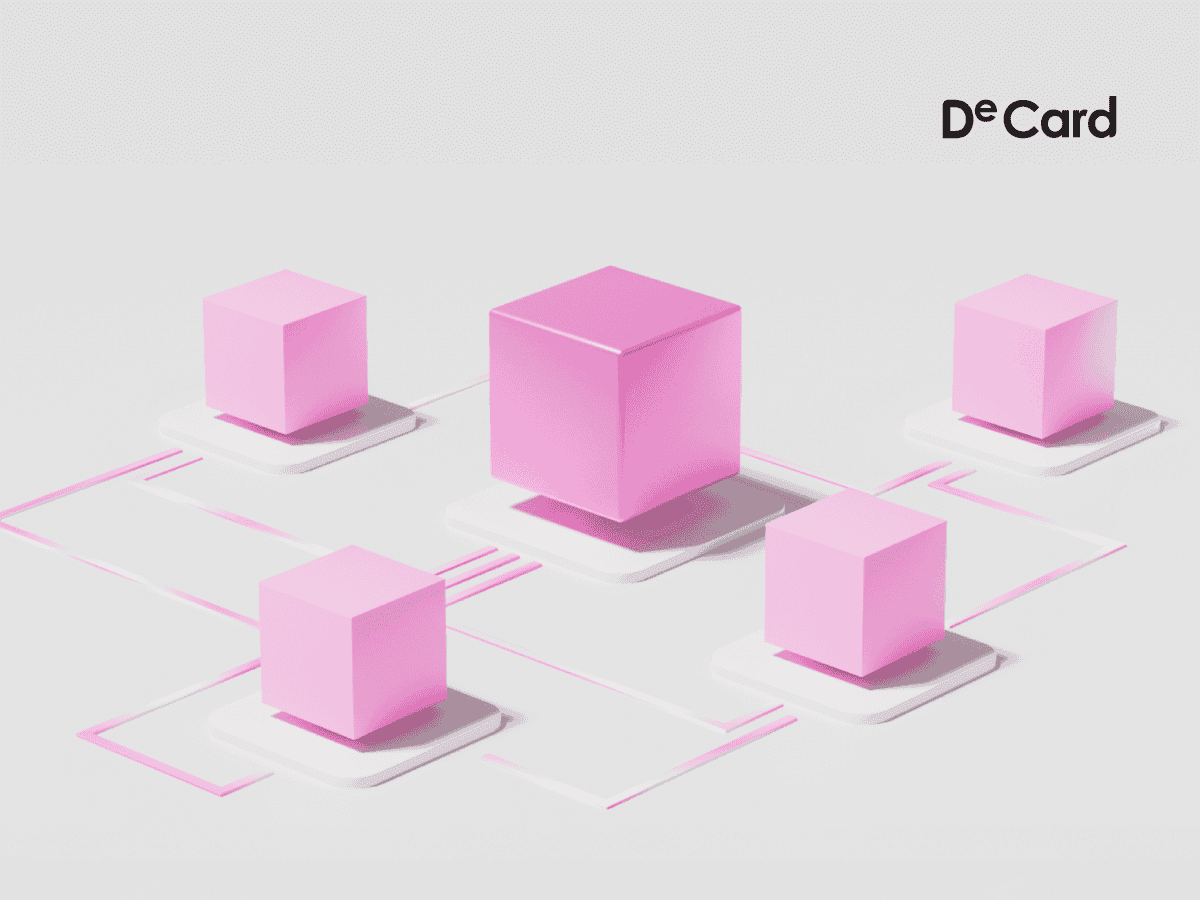
A blockchain network is a decentralised system of computers, called validators, that collectively verify and record transactions. When you send stablecoins, you're not routing anything through a bank. Instead, validators on the network confirm your transaction and write it permanently to a shared ledger that anyone can verify.
Different blockchain networks operate independently of one another. Ethereum, Polygon, Solana, Tron, and Base are all separate systems with their own validators, rules, and infrastructure. They don't interconnect the way bank accounts do, and that's where most first-time users get caught off guard.
How Blockchain Network Choice Affects Speed, Fees, and Reliability
Your network choice has three practical consequences every time you move stablecoins.
Speed
Refers to how quickly validators confirm your transaction. Polygon or Solana, for example, typically settles transfers in one to two seconds. Ethereum, by contrast, takes around twelve seconds on average. During busy periods, this confirmation speed can stretch longer. For a one-off transfer, the gap feels minor. But if you're regularly moving stablecoins or need funds available quickly, faster confirmation means your balance is ready when you are.
Fees
Commonly called gas fees, these are small amounts paid to the network (not to any platform or card provider) to compensate the validators who process your transaction. Ethereum fees can range from under a dollar to several dollars depending on network congestion. Polygon and Solana typically charge a fraction of a cent for the same transfer. On a single transaction, that difference seems small. Across regular use, it adds up.
Reliability
Relates to network uptime and congestion. Established networks with long track records and high transaction volumes have been stress-tested at scale. Polygon, for example, has processed over 5.3 billion transactions with 99% uptime over five years. This kind of infrastructure history means fewer surprises — your transfer is less likely to be delayed or stuck during a busy period, which matters when you need your stablecoins to move predictably.
Why the Same Stablecoin on Two Different Networks Is Not the Same Thing
Here's something that catches a lot of first-time users off guard: USDC on Ethereum and USDC on Polygon are not the same token. They carry the same value, but they live on entirely separate networks and cannot be used interchangeably without a separate bridging process.
The practical consequence is simple but important: the network you use to send must match the network the receiving platform is expecting. A receiving address looks identical regardless of which network it's set up for. If you send USDC via Ethereum to an address expecting Polygon USDC, your funds may not arrive, and in many cases cannot be recovered.
Where this gets confusing for new users: the experience differs depending on whether you're sending from an exchange or a self-custody wallet. On most major exchanges — Coinbase, Binance, Kraken — you can explicitly select the network when withdrawing. The interface will prompt you to choose, and the exchange handles the rest. With a self-custody wallet like MetaMask or Trust Wallet, you need to ensure your wallet is connected to the correct network before sending, and that the network matches what the destination platform expects. Both require the same care; the exchange just makes the choice more visible.
How to Choose the Right Blockchain Network for Stablecoin Transfers
There's no single correct answer for every situation, but a simple framework helps. First, check where your stablecoins currently are, which is either your exchange or wallet, and which networks are available for withdrawal. Second, confirm which networks the receiving platform accepts for your stablecoin. The overlap between those two lists is your workable options.
From there, fees and speed should guide the final call. For most everyday transfers, a low-fee, fast-confirming network like Polygon or Solana is the practical choice. Ethereum remains widely supported and has a strong track record, but its fees and confirmation times are consistently higher than alternatives. Unless the platform you're sending to only supports Ethereum, there's usually a more cost-efficient route available.
Ready to Put Your Stablecoins to Work?
DeCard supports multiple networks for both USDC and USDT, including Polygon, Solana, Ethereum, Base, and Tron, so you can fund your card straight from your preferred chain. For USDC specifically, every 1 USDC converts to 1 USD in spending power with no conversion fee, meaning your balance is ready to spend the moment your transfer confirms.
As with any transfer, the network you select in the DeCard app must match the network you use when sending from your wallet. For a step-by-step walkthrough of the funding process, including how to avoid the most common mistakes, see our guide: How to Fund Your DeCard with Stablecoins in Minutes.
Start spending your stablecoins and fund your DeCard today!