
Chinese New Year Shopping 2026: What People Actually Spend On
From red envelopes to reunion dinners, discover how Chinese New Year spending can add up and how to manage it effectively with DeCard.
What People Actually Spend on Chinese New Year (And Why It Adds Up)
Chinese New Year doesn't work like other holidays. There's no single shopping day, no neat list of recipients, no clear budget line. Instead, it unfolds in waves: red envelopes for relatives you forgot about, a second reunion dinner that wasn't on the calendar, last-minute gift hampers because you can't show up empty-handed. Here's what most people end up spending on, and why it adds up faster than expected.
Red Envelopes
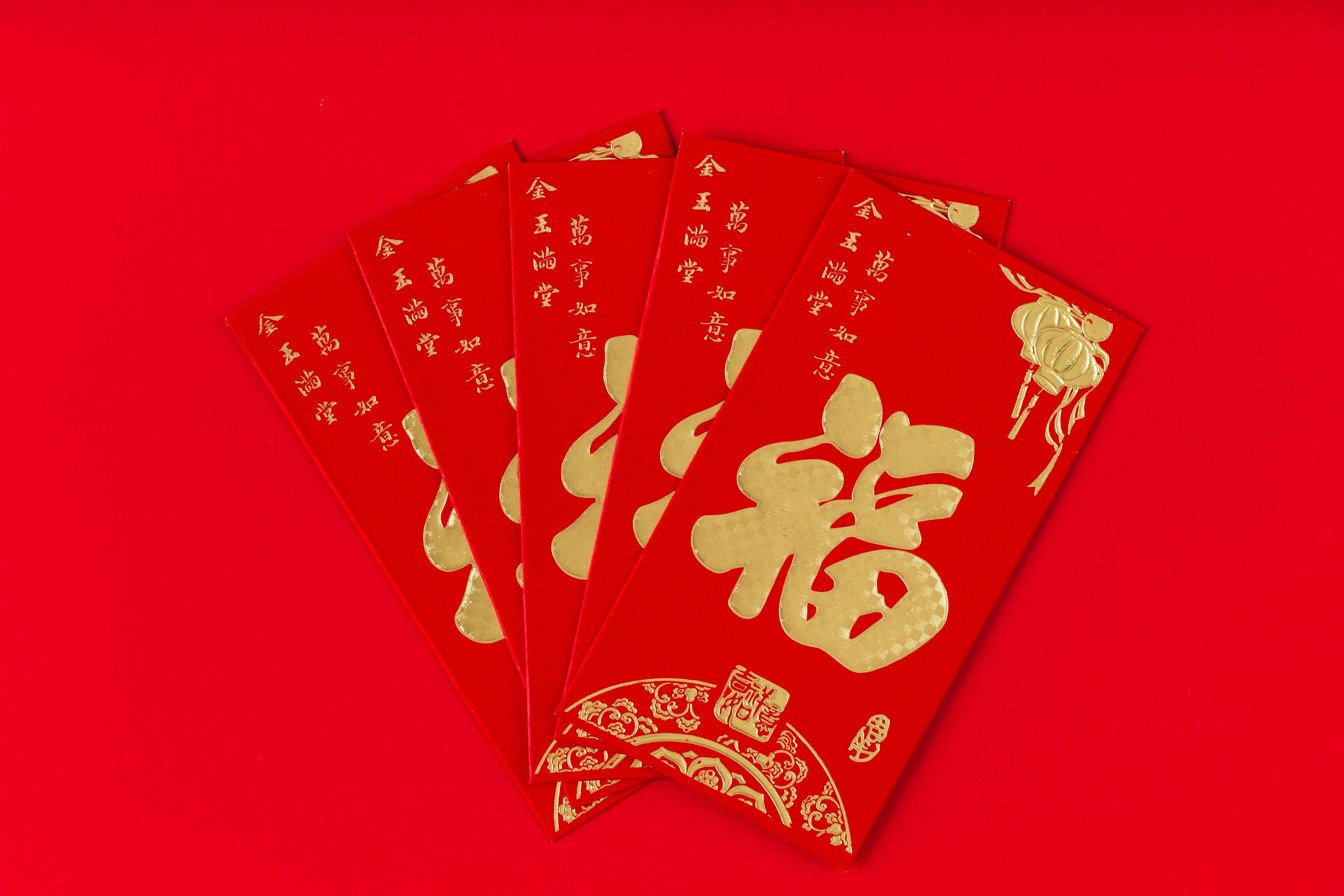
You start prepared. Fresh notes from the bank, red envelopes sorted by amount, a mental list of recipients. Then reality kicks in: there are more children than you remembered, or your friend's new baby needs one.
The amounts vary widely: parents, partners and grandparents can receive $100 to $1,000, children can get $100 to $200, while nieces and nephews can get $20 to $100. What you budgeted for $600 quietly becomes $800 as the list of recipients expands. Digital red envelopes have also become the norm for overseas relatives, adding another layer to the total amount. Nobody gets the amount for red envelopes exactly right the first time — you just accept you'll make multiple ATM trips.
Reunion Dinners
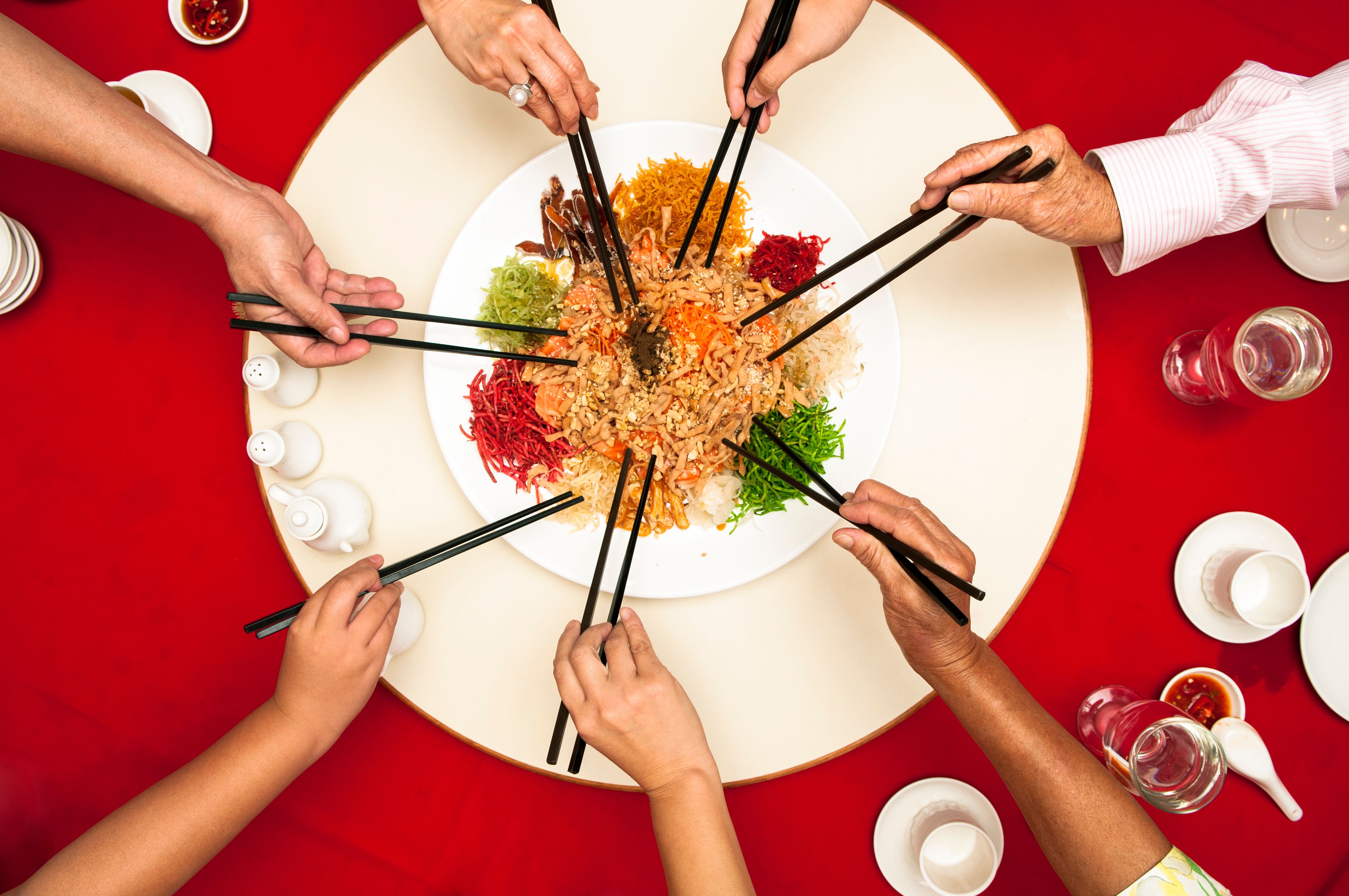
The reunion dinner is non-negotiable, but it's rarely just one dinner. There's the main family gathering, then the extended family lunch, then the friends reunion, then the "quick catch-up" that turns into a full restaurant experience.
Reunion dinner buffets typically range from $80 to $200 per adult, while set menus at hotel restaurants can start from $100 per person and can reach $600 per person for more premium options. These costs compound as you attend multiple reunion dinners, plus secondary gatherings with friends throughout the season.
Travel

If you're based overseas, going home for Chinese New Year isn't cheap. Flight prices spike as Chinese New Year is one of the world's largest annual travel periods, with prices often 2-3x normal rates during peak dates.
But the flight is just the start. There's accommodation if staying with family isn't an option, and local transport to navigate between family visits. Depending on distance, travel costs — including flights, accommodation, and local transport — can cost from hundreds to thousands.
For those spending abroad during the trip, traditional bank cards add another layer of cost. Many cards charge foreign transaction fees of 2-3% for processing international transactions. On $2,000 of overseas spending, these hidden costs can reach $50 to $60.
Gifts

Visiting during Chinese New Year usually means bringing a gift with you. Whether it's close family or extended relatives, arriving with a gift is expected — festive hampers containing an assortment of goodies or fruits, traditional snacks like pineapple tarts and bak kwa, and mandarin oranges. With each household requiring its own gift, visiting three or four families means $200-500 in gift spending alone. Premium gifts for closer or elder relatives can push this higher.
New Clothes

Wearing something new during Chinese New Year is considered to bring prosperity and good fortune. For most people, this means at least one new outfit, but often extends to multiple pieces: something for the Day 1 reunion dinner, something for Day 2 visits, and something for gathering with friends.
New clothing for the season typically runs $80 to $150. Add new shoes and a pre-holiday haircut, and these personal preparations add $100-200 to seasonal spending.
Home Preparations

Chinese New Year also means hosting your family and friends, which requires preparing your space to welcome them properly.
Festive decorations are the most visible expense, typically including lanterns, flowers, and table settings. Then there's stocking the pantry: snacks, traditional Chinese New Year treats, and drinks for guests. Depending on how much you're hosting, these provisions add another $50 to $150.
How to Manage Chinese New Year Spending with DeCard
For those navigating Chinese New Year spending across countries and currencies, DeCard simplifies the process. With a flat 1.8% FX fee, significantly lower than the 2-3% typical of traditional bank cards, and no hidden exchange rate markups, your spending stays transparent and predictable.
Whether you're booking flights, paying for reunion dinners, or buying gifts, DeCard removes the need to convert your digital assets through multiple intermediaries, keeping costs low and transactions straightforward.
And if you're travelling abroad, DeCard Luminaries offers additional travel perks including airport lounge access and discounted rates through the Umy Diamond Membership. Learn more about how DeCard Luminaries enhances your travel experience here.
Kickstart your Chinese New Year with DeCard!